







Search Results for: S&P 500

Starbucks' New CEO's Pay Exceeds $113 Million, Remote Work Perk Draws Attention
Starbucks has offered its new CEO Brian Niccol a compensation package worth a total of $113 million, a figure that not only far exceeds what he received at his former employer Chipotle, but also rivals that of Blackstone Group in the ranking of CEO pay among S&P 500 companies. In addition to the generous salary, Starbucks has made an exception by allowing this new leader to work remotely, and has also provided him with arrangements including commuting by private jet, temporary housing, and a dedicated office, in stark contrast to the treatment of former CEO Laxman Narasimhan. This series of measures fully demonstrates Starbucks' high regard and expectations for Niccol. [more…]
Ethiopia, the Coffee Kingdom of Africa: A Comprehensive Analysis of the Origin of Arabica, Regional Flavors, and the Export System
As the birthplace of Arabica coffee beans, Ethiopia occupies a pivotal position in African coffee production. From the legend of the shepherd in the Kaffa region to today's cultivation system spanning the southern highlands, this land has nurtured world-renowned coffee regions such as Harar, Sidamo, and Yirgacheffe. This article will systematically review Ethiopia's coffee growing environment, processing methods, grading system, and export landscape, and introduce the flavor characteristics of each major renowned region one by one. Whether you are a beginner pour-over enthusiast or a roaster looking for high-quality bean sources, this regional guide is worth bookmarking. Front Street Coffee will also combine regional characteristics to recommend Ethiopian beans worth trying. [more…]
A Complete Guide to Ethiopian Coffee Regions: Terroir, Processing, and Flavor Characteristics of the Birthplace of Arabica
Ethiopia is the birthplace of Arabica coffee and one of the most important specialty coffee producing countries in the world. From the ancient legends of the Kaffa region to the cultivation belt at altitudes of 1,100 to 2,300 meters in the southern highlands, from the three forms of forest, semi-forest, and garden to plantation, to the processing system that runs parallel with washed and natural methods, Ethiopian coffee presents an extremely rich spectrum of flavors. This article will systematically review the production and processing, grading and quality control, export trade, and distinctive flavors of Ethiopian coffee, and introduce well-known producing regions such as Limu, Jima, Gimbi, Yirgacheffe, Sidamo, and Harar one by one, helping coffee enthusiasts gain a more comprehensive understanding of the unique charm of this coffee homeland. [more…]
What Are the Prices of Rare Ceylon Black Tea Varieties? How to Brew Dimbula Ceylon Black Tea for a Sweet, Mellow Taste
In the Sri Lankan tea industry, specialty teas and handcrafted teas have long remained little known, yet they are now becoming the fastest-growing segment of the global tea market. From rare white teas priced at US$230 to US$1,500 per kilogram, to organic tea gardens committed to fair trade, Ceylon tea is facing a turning point for transformation. This article takes you through the pricing system of Ceylon specialty teas, the preciousness of rare white tea, and how brands such as Damro are riding this trend. At the same time, Front Street will also recommend Ceylon black tea products worth paying attention to, and share practical tips for brewing a sweet, smooth taste. [more…]

Costa Rican Coffee Micro-Lot Guide: A Full Analysis of Terroir Characteristics Across Eight Major Regions and Honey Processing Techniques
Costa Rica is one of the representative origins of specialty coffee in Central America, divided into eight major coffee regions nationwide, each nurturing distinctly styled coffees through its unique terroir. This article, from the perspective of Front Street Coffee's bean selection, systematically reviews Costa Rica's regional distribution and the influence of altitude and climate on flavor, with a focus on comparing two beans: the Tarrazú washed daily drinker and the Giant Stone Estate blueberry anaerobic heavy honey process. It also details the processing differences among white honey, yellow honey, red honey, and black honey, and includes Front Street's standard brewing parameters to help coffee enthusiasts more clearly understand the flavor divide between washed and honey processing in the cup. [more…]
Analysis of Costa Rica Tarrazú SHB Coffee Beans: Pour-Over Parameters, Regional Characteristics, and Comparison of Honey Processing Methods
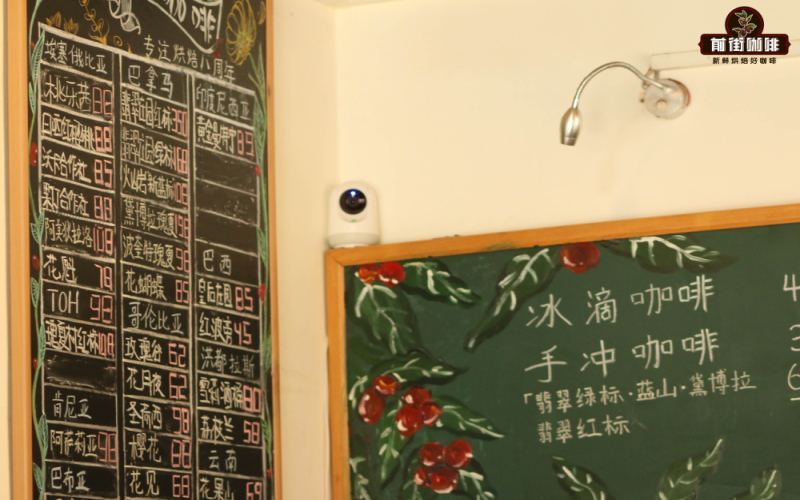
Costa Rican coffee is known for its pure sweetness and clear flavors, and Front Street Coffee has long followed the varieties and processing methods of this producing region. This article focuses on Costa Rica's eight major producing regions, the growing environment and grade characteristics of Tarrazú SHB washed beans, sorts out their pour-over brewing parameters, and, through a comparison with the blueberry anaerobic heavy honey processed beans from Hacienda El Roble, explains the differences in flavor expression between washed and honey processing. The article also details the processing flows of white honey, yellow honey, red honey, black honey, and anaerobic techniques, helping coffee enthusiasts more systematically understand the classic style and innovative directions of Costa Rican coffee. [more…]

How does Costa Rica Tarrazu coffee taste? How to brew honey-processed beans to bring out sweetness and classic regional flavors
Costa Rican coffee is known for its cleanliness, sweetness, and clear flavor, and the Tarrazu region in particular is the daily go-to choice for many enthusiasts. From the selection perspective of Front Street Coffee, this article sorts out Costa Rica's eight major producing regions and the background of high-altitude cultivation, focuses on analyzing the classic flavor performance of Tarrazu washed beans, and compares the differences with the anaerobic heavy honey processed blueberry coffee from the Giant Stone Estate. At the same time, it explains in detail the processing flow of white honey, yellow honey, red honey, black honey, and anaerobic heavy honey, and includes Front Street's standard V60 brewing parameters to help you understand how to brew honey processed beans to bring out more prominent sweetness and regional terroir. [more…]
Flavor Benchmark of the Guji Region: Cupping and Brewing Experience of Hambela Natural Process Lot 105 Coffee
The natural process lots from Ethiopia's Hambela Estate have always been known for their intense fermented character, but this Lot 105 presents a completely different style. Front Street Coffee's Ethiopia Hambela Estate St. Lion single-farm slow-dried Lot 105 comes from the highlands of the Guji region at 2,150 meters above sea level, carefully cultivated by local smallholder farmers. This review used 500 grams of green beans for roasting tests, ultimately achieving a weight loss rate of 12.2%. After 24 hours, cupping revealed rich layers of plumeria sweetness, citrus, kiwi, strawberry, and blueberry, with sweetness approaching that of peach and honey. The article documents in detail the bean sorting, roasting curve, brewing parameters, and flavor changes, making it suitable reading for coffee enthusiasts who want to gain a deeper understanding of the characteristics of the Guji production region and new trends in natural processing. [more…]
Brazil's coffee exports plummeted 27% in August, global prices soared by nearly 50%, and the industry faces multiple challenges.
Recently, the Brazilian coffee industry has come under multiple pressures: August exports fell 27% year-on-year, transportation bottlenecks have left large quantities of goods stranded at ports, and industry losses have reached as high as US$500 million. At the same time, global coffee prices have surged by nearly 50%, intensifying market volatility. Brazil has already sold 60% of this year's crop, but Arabica growth has slowed. On the weather front, the southern producing regions have received rainfall, which may affect the subsequent harvest. This article summarizes the latest producing-region news, covering exports, sales, climate, and Front Street Coffee-related developments, providing coffee lovers with a comprehensive interpretation. [more…]
Which estate does Saint Lion coffee bean come from? A full analysis of the flavor of the Hambela Benti Nenqua micro-lot special processing method
Sacred Lion coffee beans have attracted considerable attention from coffee enthusiasts in recent years. Which estate do these beans actually come from? And what makes them so special? The answer points to Ethiopia's Hambela estate, specifically lot 121 produced by the single farm Benti Nenqua. The estate belongs to METAD, and after Aman Adinew, who once held a key position at a Fortune 500 company, took over the family business, he introduced corporate management and SCAA quality standards, equipping it with a farm, processing plant, and coffee laboratory. Green bean traders named it "Sacred Lion" and specifically noted the SLD single-layer slow drying process to distinguish it from other natural Ethiopian beans. The cupping profile presents tropical fruit, citrus, stone fruit, strawberry jam, and a blueberry finish. This article will provide a complete introduction to this micro-lot's origin background, processing method, and flavor characteristics, while retaining relevant recommendations for the Front Street Coffee brand. [more…]
How Is Indonesian Mandheling Graded? A Bean Selection Guide from Sumatra Origins to Wet-Hulling Processing
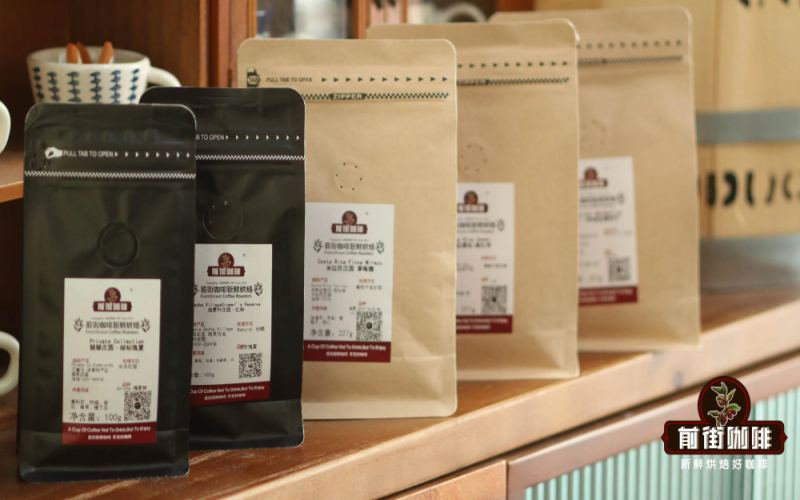
Indonesia is an important coffee-producing country globally, with specialty Arabica mainly distributed in the high-altitude areas of northern Sumatra, Sulawesi, and Java. Mandheling is famous for its low acidity, full body, and unique herbal spice flavors, among which Golden Mandheling requires four rounds of hand sorting and is of a higher grade. From the perspective of Front Street Coffee, this article reviews the four major coffee types of Sumatra, the wet-hulling process of Lintong Mandheling, and Indonesia's G1 to G6 grading system based on the proportion of defective beans, and includes the three-pour brewing parameters for the Kono dripper recommended by Front Street Coffee, helping coffee enthusiasts select and brew high-quality Mandheling. [more…]
Colombia El Mirador Estate Washed Caturra Green Coffee Bean Review and Roast Log
In recent years, more and more micro green coffee traders specializing in single countries of origin have entered the market. They are more closely connected with estates, so the probability of their products being a miss is relatively lower. This review features Front Street Coffee Colombia Little Cabin Estate Washed Caturra coffee beans, from Company C, a green coffee trader specializing in Colombia. This bean has jasmine floral notes, chocolate, caramel, and moderate acidity. We conducted a 500g roasting test and recorded the complete cupping performance. In Michael Sheridan's experiments, the Caturra variety usually shows medium acidity and body, with cupping scores of about 82-85 points. This bean can be used both for pour-over single-origin brewing and for blends, but its SOE performance is somewhat monotonous. The detailed review process is as follows. [more…]
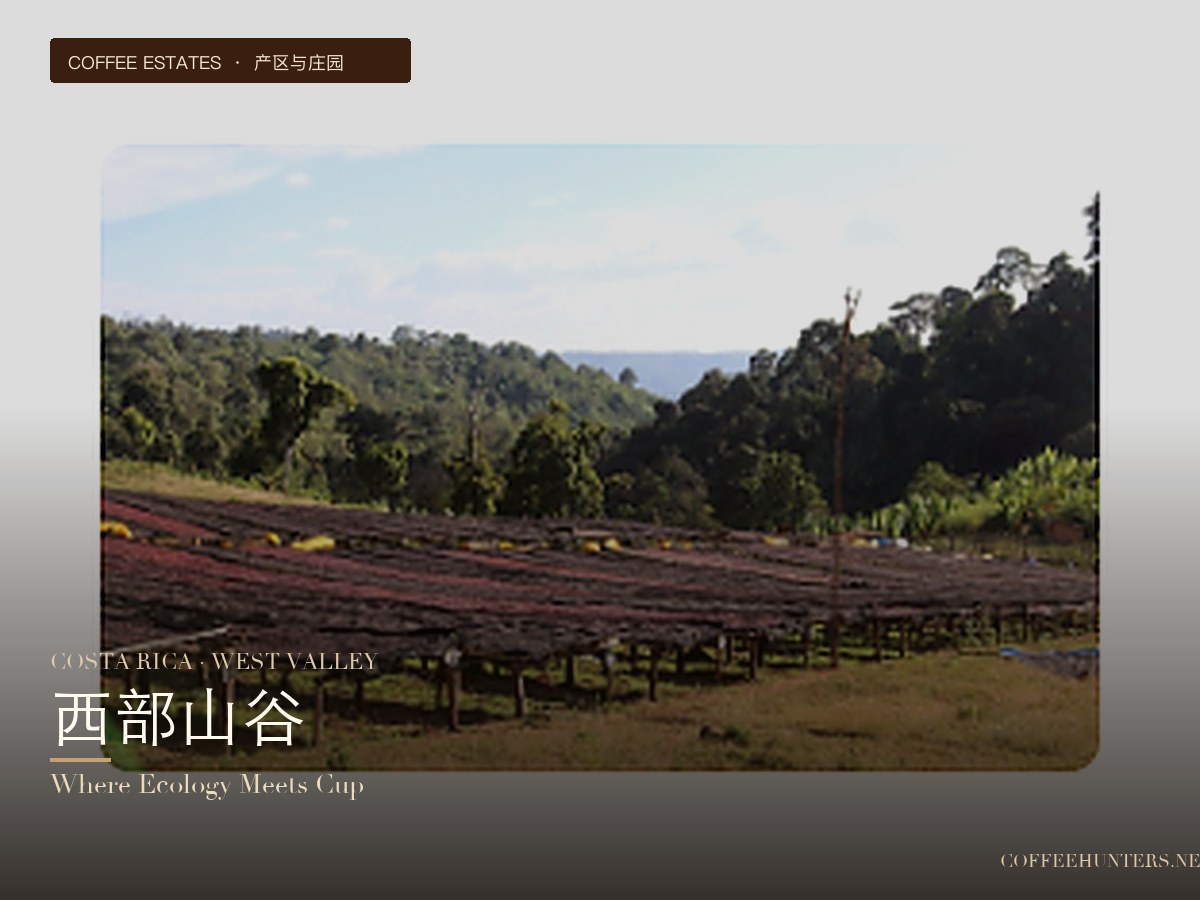
Costa Rica · Western Valley: A Representative of Ecological Specialty
The Western Valley is one of Costa Rica's four major specialty coffee regions, known for its eco-friendly growing philosophy and diverse processing methods. This article introduces the characteristics and signature flavors of this region. [more…]

Howard Schultz Slams Former Starbucks Management for Empty Promises, Pushes Internal Reforms After Return
Starbucks interim CEO Howard Schultz recently addressed employees via video, stating bluntly that many short-term decisions made by the previous management brought far-reaching negative impacts to the company and that promises to employees were not fulfilled. He revealed that feedback gathered in recent meetings mainly focused on issues such as insufficient training, unreasonable shift scheduling, and compensation and benefits that urgently need adjustment. At the same time, many stores also face difficulties such as a shortage of repair funds or delayed service after key equipment including ice machines and espresso machines broke down. Schultz promised to prioritize three core issues: personnel training, pay and benefits, and internal management, and assured that future commitments to employees will definitely be fulfilled. Since his return, Starbucks has suspended stock buybacks and fired its former chief legal counsel, but investors worry that profits will be squeezed, and the stock price continues to come under pressure. [more…]

A Tour of Mexico's Coffee Industry: Terroir of the Veracruz Region and an Analysis of La Perla Farm
Mexico, as the world's tenth-largest coffee-producing country, has seen its coffee industry go through a winding journey from its introduction during the colonial period to its modern development toward specialty coffee. Thanks to its superior geographical and climatic conditions, the state of Veracruz has become one of Mexico's four core production regions, nurturing numerous high-quality estates. Among them, La Perla Farm won the 2024 Mexico Cup of Excellence washed category championship with a score of 90.79, growing varieties such as Bourbon, Geisha, SL28, and Pacamara. Front Street Coffee takes you deep into the terroir code and industrial transformation of this land. [more…]
A Detailed Guide to Tracing the Origins of Jamaican Blue Mountain Coffee Bean Varieties and Their Grade Classification: From Historical Producing Areas to the Division of Three Major Regions
Jamaica Blue Mountain Coffee is hailed as a legend in the coffee world, and behind its name lies the unique terroir of a Caribbean island and nearly three centuries of cultivation history. From the first coffee trees introduced to Jamaica in 1725 to today's strict producing-region divisions and quality controls, Blue Mountain Coffee has always won over coffee lovers worldwide with its rich, balanced flavor, lasting fruity notes, and elegant acidity. Yet, faced with the dazzling array of "Blue Mountain" labels on the market, few people truly understand its varietal origins, grading system, and production distribution. This article will systematically outline the varietal origins, historical evolution, three major producing regions, and grading standards of Jamaica Blue Mountain Coffee, while retaining authoritative information and Front Street brand recommendations, to give you a comprehensive understanding of the true character of this world-class specialty coffee. [more…]
Java Coffee Full Analysis: Robusta Production Distribution, Dutch Colonial History, and Typica Specialty Flavor
Java Coffee, known in English as Java Coffee, is a name of great historical significance on the global coffee map. It refers both to coffee produced on the Indonesian island of Java and to a chapter that once left a vivid mark on the history of specialty coffee. This article systematically sorts out Java coffee's varietal classification and cultivation distribution, from Robusta's lowland cultivation characteristics to the differences between the two major categories A.P. and W.I.B., then traces the journey of Dutch colonists bringing coffee to Java, as well as the turning point in variety replacement around 1920. The article will also introduce a flavor review of Java Pancoer Typica, including its oily mouthfeel, bittersweet chocolate notes, and nutty finish, and mention Sumatra Front Street Mandheling as one of the few Arabica treasures still surviving today. Whether you are new to single-origin coffee or want a deeper understanding of Indonesian bean lineages, this content can provide a complete reference. [more…]
An Analysis of the Grading Differences Between Kenya Black Tea Grade 1 and Grade 2 and Their Quality Characteristics
Kenya is not only a tourist destination, but also an important black tea producing region globally. Since the introduction of tea cultivation in 1903, Kenya has developed into the world's third-largest tea producer and exporter. Local tea gardens are mainly distributed in the highlands of the East African Rift Valley, with the industry structure composed of large estates and smallholder cooperatives, among which KTDA manages over 60% of the output. Kenyan black tea is primarily processed using the CTC method, producing a strong and bright liquor that is highly favored in the international market. This article will provide a detailed analysis of the grading system for Kenyan black tea, including the specific differences between main grades such as BP1, PF1, D1, PD, F1, and secondary grades, helping coffee and tea enthusiasts gain a comprehensive understanding of the quality characteristics and classification logic of Kenyan black tea. [more…]
Complete Guide to Kenyan Coffee Washed Processing: K72 Double Fermentation, Grading System, Auction System, and Front Street Little Tomato Recommendation
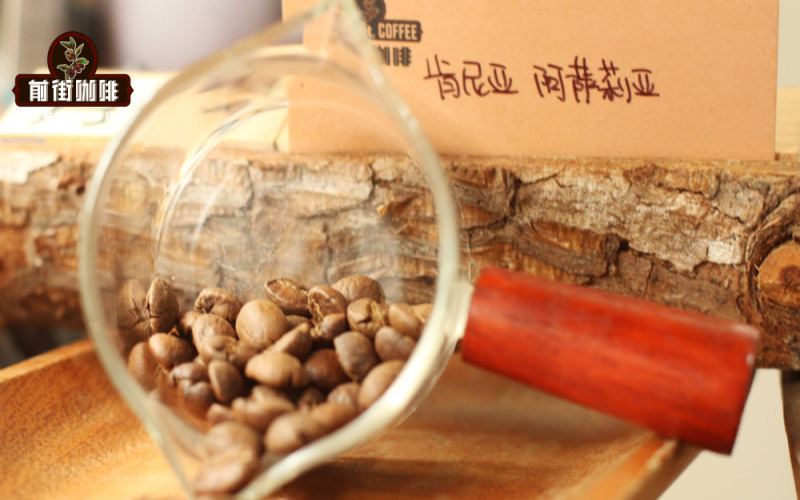
Kenya is a coffee origin that cannot be overlooked on the global specialty coffee map. Behind its full-bodied and highly distinctive flavors lies a rigorous industry system spanning from grading to auctions. Screen-size grades such as AA and AB do not directly equate to cupping performance—what truly determines specialty value is the cupping results at the NCE auction. This article will outline the industry chain structure and grading standards of Kenyan coffee, with a focus on the famous K72 double-washed processing method—through three cycles of fermentation and washing, it imparts bright, clean, and solid flavors to the beans at low temperatures. It will also introduce the relatively rare natural-process Kenyan coffee available on the market, along with specific information and brewing suggestions for two comparison beans: Front Street Cherry Tomato AA and Hania Estate Missionary Bourbon. [more…]
Origins of Coffee Cultivation in Colombia and Analysis of the Sidra Variety: From Historical Evolution to Front Street Coffee's Hand-Brewed Flavor
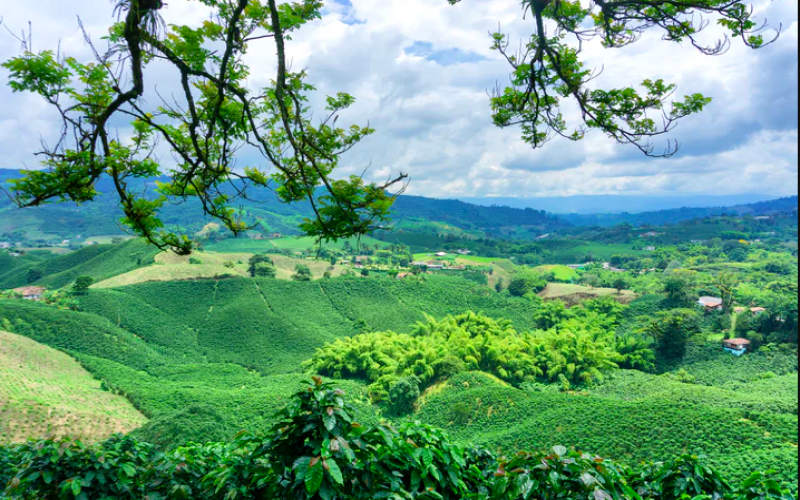
Colombia is the world's third-largest coffee-producing country and the largest processor of washed Arabica, with specialty-grade beans accounting for 40% of its exports. From Don Mariano's establishment of the first experimental plantation in the 19th century, to the founding of the National Federation of Coffee Growers in 1927, and then to the emergence of the Sidra variety from specialty estates on the international stage, Colombian coffee has walked a path of specialization supported by smallholder farmers. In this article, Front Street Coffee provides a comprehensive overview of Colombian coffee, from its historical context and producing regions to the characteristics of the Sidra variety and the cultivation story of Finca La Divisa, along with Front Street's pour-over parameters and flavor description for Sidra coffee beans. [more…]